


For nearly six decades, Fiscal Sponsorship partner Saturday Conservatory of Music has helped make music education accessible to young people and families who might otherwi se be left out. Project Leader Pearly Mautner is working to ensure that opportunity continues for the next generation.
For Pearly Mautner, music and community have always been connected.
Long before she became Project Leader of Saturday Conservatory of Music, Mautner experienced firsthand what it means to have someone recognize your potential and open a door. After dropping out of high school, support from the Chinatown Service Center enabled her to stay connected to school and begin to imagine a different future.
Music became another important part of that journey. While attending Glendale Community College, Mautner began taking music classes and singing in choir. A professor recognized her ability and encouraged her to continue her studies. She eventually earned a certificate in music before pursuing a Master of Social Work at California State University, Long Beach.
“I wanted to give back to the community because the community helped me,” Mautner says. “I found it rewarding to help people.”
Opening the Door to Music Education
Saturday Conservatory of Music was founded in 1966 through a partnership between LAUSD and California State University, Los Angeles, in response to a need for greater access to music education in the East Los Angeles area.
Today, the program operates at Jefferson Middle School in San Gabriel and serves young people ages 4 to 18, with a particular commitment to making music education accessible to lower-income families.
Students meet on Saturdays for 10-week sessions offering a comprehensive music education experience. Depending on age and skill level, instruction includes music theory, instrumental and vocal training, small-group classes and larger ensembles. The Conservatory has also introduced an Introductory Path Program for children ages 4 to 6, with parents invited to participate alongside their young musicians.
Each session culminates in student recitals and performances, giving participants an opportunity to share what they have learned.
For Mautner, however, success isn’t measured by whether a child ultimately becomes a professional musician. The goal is to give every student the opportunity to experience and understand music—to learn, practice, perform, and develop an appreciation they can carry throughout their lives.
Developing the Next Generation of Music Educators
The Conservatory’s imp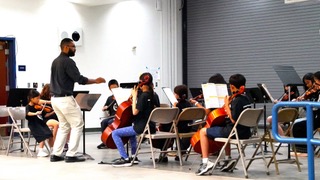 act extends well beyond its Saturday classes. In addition to teaching young musicians, the program helps develop the people who teach music to others.
The Conservatory gives aspiring music educators hands-on teaching experience, including opportunities to lead classes, develop instructional skills, and gain the practical experience needed to become effective teachers. Some have gone on to teach music in schools and universities, extending the Conservatory’s impact into classrooms and communities well beyond the program itself.
That pathway can begin with the Conservatory’s own students. Young people who grow up in the program can progress from learning music to ultimately teaching it, with former students going on to become music educators themselves. Others return years later as parents, enrolling their own children in the same program they once attended.
In that way, Saturday Conservatory of Music is creating a cycle of learning and leadership: students gain access to music education, future teachers gain the experience to build careers, and some of those students eventually become the educators introducing another generation to music.
Since Mautner became involved with the Conservatory in 2011, approximately 5,000 students have participated in the program.
She first joined as a volunteer when the organization faced significant operational challenges. Drawing on her background in both music and social work, Mautner stepped in to help rebuild the organization, strengthen its operations, and create a more stable foundation for the future. Her volunteer role ultimately evolved into leading the project.
Keeping the program accessible remains central to that work.
Families who cannot afford tuition may receive financial assistance or work with the Conservatory based on what they are able to pay. The organization also connects families with affordable options for renting or purchasing instruments.
“We want to remove barriers for students to participate,” Mautner says.
Building a Sustainable Future
Looking ahead, Mautner hopes to grow the Conservatory, reach more students, and secure additional funding to support participating families and the teachers who make the program possible.
Community Partners plays a vital role in that sustainability.
As a small organization, Saturday Conservatory of Music does not have the staffing or infrastructure to independently manage every administrative function required of a nonprofit. Through fiscal sponsorship, the Conservatory has access to support including payroll, human resources, legal consultation, and other administrative services.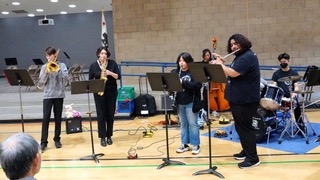
For Mautner, those resources allow the organization to focus more of its energy where it matters most: its students.
“Community Partners provides a lot of technical support that we simply don’t have the staff or resources to manage ourselves,” she says. “That support is so important in helping us sustain the organization.”
Nearly 60 years after Saturday Conservatory of Music began with a vision of expanding access to music education, that mission continues—one Saturday, one student and, increasingly, one generation at a time.
Learn more about Saturday Conservatory of Music.
Join our mailing list!
Keep up on the latest from Community Partners—our partnerships, learnings, grant opportunities, resources and more.