


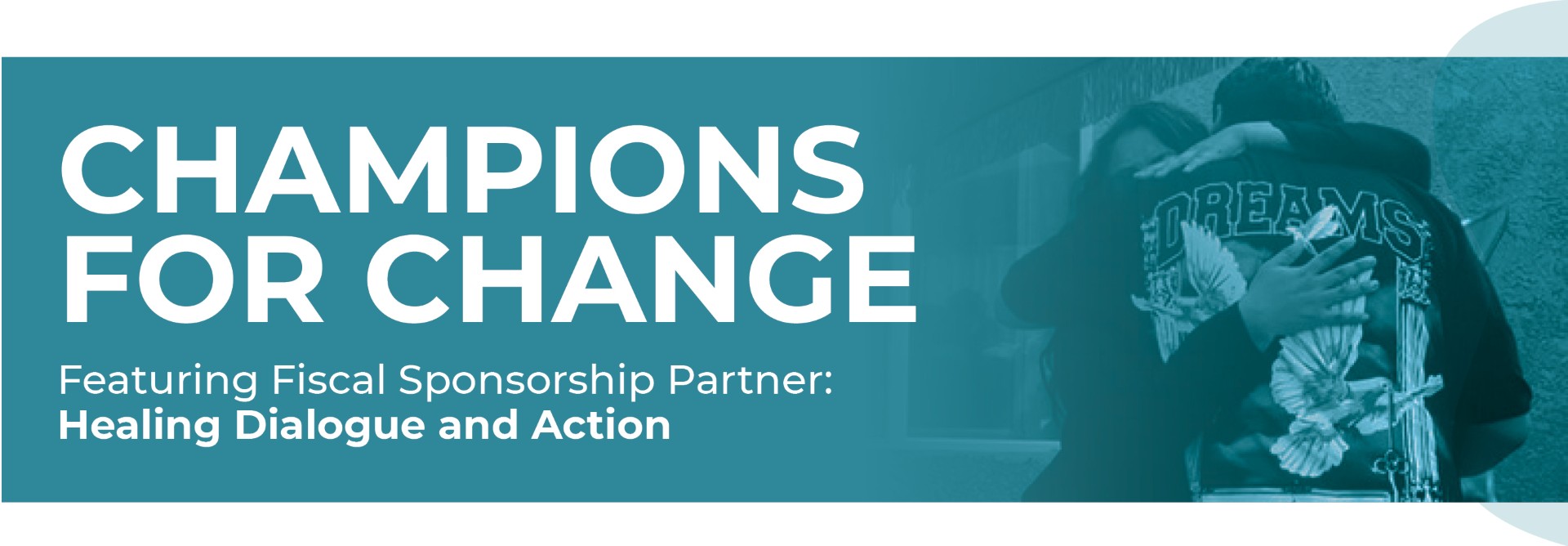
 At Healing Dialogue and Action, those closest to violence are leading a new path forward—for survivors, for those who caused harm, and for entire communities.
For nearly four decades, Javier Stauring has sat with some of the hardest realities in our criminal justice system—young people sentenced to life in prison, families grieving unimaginable loss, and communities carrying the weight of generational trauma.
But his life’s work has never been about punishment. It’s about healing.
As Co-Founder and Executive Director of Healing Dialogue and Action (HDA)—a Community Partners fiscally sponsored organization—Stauring is helping to reimagine what justice can look like when it centers accountability, empathy, and human connection. Through fiscal sponsorship, Community Partners provides the infrastructure and collaborative support that allows HDA to focus on program delivery, scale its impact, and deepen its work across Los Angeles County and beyond.
“We don’t just respond to crime—we respond to everyone impacted by it. That means the young person who caused harm, the victim, and the families and communities around them. If we’re serious about healing, we have to hold space for all of it.”
— Javier Stauring, Co-Founder and Executive Director, Healing Dialogue and Action
From the Frontlines of Incarceration to a New Model of Justice
Stauring’s journey began as a chaplain at Central Juvenile Hall in East Los Angeles, where he worked with youth—some as young as 14—who had been sentenced to life in prison.
“I’ve sat with more children serving life sentences than anyone I know,” he reflects. “It’s a reality that’s hard to accept—and impossible to ignore.”
Over time, his work expanded beyond those incarcerated. He began supporting parents navigating the trauma of having a child in prison—and soon recognized another critical gap: the needs of victims and survivors of violence.
That realization became the foundation for Healing Dialogue and Action.
Launched eight years ago, HDA was built on a simple but profound insight: the same communities are often impacted on both sides of violence. Victims and those who cause harm frequently come from shared neighborhoods, shared histories, and shared cycles of trauma.
The Power of “Wounded Healers”
Today, HDA’s model is led by those with lived experience—what Stauring calls “wounded healers.”
Of the organization’s 30 staff members, the vast majority have either served long prison sentences or lost loved ones to violence.
They are counselors, mentors, and facilitators—guiding others through the same journeys they’ve walked themselves.
Inside prisons and juvenile halls, HDA leads trauma-informed workshops that help participants understand how early experiences—violence, neglect, substance abuse—shape behavior and decision-making. “Our own wounds impact us—and can create cycles of harm if we don’t address them,” said Stauring.
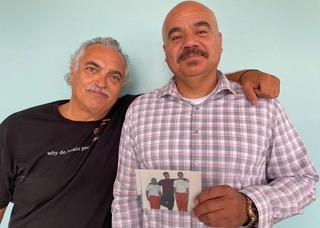
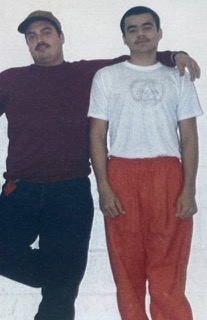
Participants are challenged to confront the harm they’ve caused, take responsibility, and develop empathy for those they’ve hurt.
In one powerful exercise, mothers who have lost children to gun violence share their stories directly with incarcerated individuals—offering a deeply human understanding of the impact of violence.
Creating Space for Healing on Both Sides
What sets HDA apart is its commitment to serving both survivors and those who have caused harm—an approach rarely seen in traditional systems.
Through Victim Offender Dialogue (VOD), the organization facilitates carefully guided conversations between survivors of violence and those responsible for harm—even in cases of homicide. Stauring shared, “the potential for healing in these dialogues is unmatched—you don’t find this in traditional systems.”
These moments are not about easy resolution. They are about truth, accountability, and the possibility of healing in even the most painful circumstances.
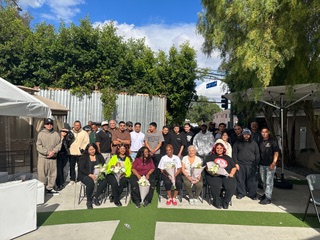
HDA also creates healing spaces for families, including retreats for mothers who have lost children to violence—offering something many participants have never had: community.
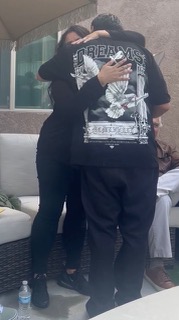
“When you lose a loved one, there’s often deep isolation,” Stauring says. “We’re creating spaces where people can grieve, connect, and begin to heal together.”
Reentry, Responsibility, and a Path Forward
HDA’s work continues beyond incarceration.
In Los Angeles County, the organization provides intensive programming inside juvenile halls—working with young people who have been convicted of serious offenses and may remain in custody until age 25. It also supports reentry efforts, helping individuals transition back into society with the tools, relationships, and support systems needed to succeed.
For many participants, this is the first time they’ve experienced consistent mentorship, accountability, and belief in their potential. “Success is that moment when someone chooses to share their most painful truth. That’s where healing can begin.”
— Javier Stauring
Shifting the Narrative—and the System
At its core, Healing Dialogue and Action is working to dismantle a deeply ingrained mindset: the idea that people are either victims or perpetrators.
“Our culture is built on ‘us versus them,’” Stauring says. “But the reality is far more interconnected.”
By centering lived experience, fostering empathy, and addressing trauma at its roots, HDA is helping to build a more human, more effective approach to justice—one that recognizes the dignity and potential of every individual involved.
A Lifetime of Recognition—and Continued Urgency
Stauring’s work has not gone unnoticed.
Over the course of his career, he has received national and international recognition for his leadership in advancing restorative justice and advocating for children impacted by violence and incarceration. He was honored as a laureate of the World’s Children’s Prize for the Rights of the Child, a global award recognizing individuals who defend the rights and dignity of young people.
He has also been recognized by Human Rights Watch for his work exposing and addressing injustices within the juvenile justice system—particularly the sentencing of young people to life in prison.
These honors reflect decades of commitment—but for Stauring, they are not the endpoint.
Instead, they underscore the urgency of continuing the work. HDA’s impact is about people—one person at a time. Every time someone finds the courage to face their pain, take responsibility, or begin to heal—that’s where real change happens.
As HDA continues to grow—from a single staff member just eight years ago to a team of 30 rooted in lived experience—the organization is now looking to expand beyond Los Angeles County, bringing its healing-centered justice model to more communities.
The vision remains clear: a system that doesn’t divide people into categories, but instead recognizes shared humanity—and the possibility of transformation.
Healing, as Stauring has seen time and again, is not only possible.
It is powerful.
Learn more about Healing Dialogue and Action here.
Join our mailing list!
Keep up on the latest from Community Partners—our partnerships, learnings, grant opportunities, resources and more.